


The supermarket logos may have faded but the plastic bags floating in the Mediterranean, off the coast of Turkey, are clearly identifiable as British.
The UK exports more plastic waste to Turkey for recycling than it does to anywhere else in the world, but some of it ends up in the sea - not just marring the view for holidaymakers but snaring ocean creatures and causing unknown damage to human health and the environment.
It is just part of a planetary scale problem that the UN's global plastics treaty - for which negotiations resume in South Korea today - aims to address. The resolution that kicked off the talks, in 2022, identified "the specific impact of plastic pollution on the marine environment" as a key concern, though progress towards a solution has been bumpy.
About 4-8 per cent of world oil production goes into making plastics, according to the World Economic Forum and, last year, treaty discussions in Nairobi stalled when oil-producing nations proposed focusing on waste management, rather than on scaling down plastic production.
Nor is there any sign that plastic use is declining. The rate of global production has roughly doubled in the past two decades, while OECD projections suggest the amount of plastic produced each year will almost triple over the next few decades: from 460mn tonnes in 2019 to 1.23bn tonnes by 2060.
The OECD also estimates that just over 6mn tonnes of plastic waste entered rivers, lakes and oceans in 2019 alone. In total, it calculates that the world's oceans contain about 30mn tonnes of plastic waste, though some researchers think there is much more: in a 2021 report, the UN Environment Programme (Unep) drew on several studies to put the figure at between 75mn and 199mn tonnes.
While much comes from marine activities - such as fisheries, aquaculture and shipping - Unep says that land-based sources predominate, including agriculture, construction, transport, and consumer industries. Rivers are a prime conduit.
Richard Thompson, professor of marine biology at the University of Plymouth in the UK, says plastic debris at sea comprises a huge variety of material, ranging from pieces big enough to be detectable by satellites to particles visible only with a microscope.
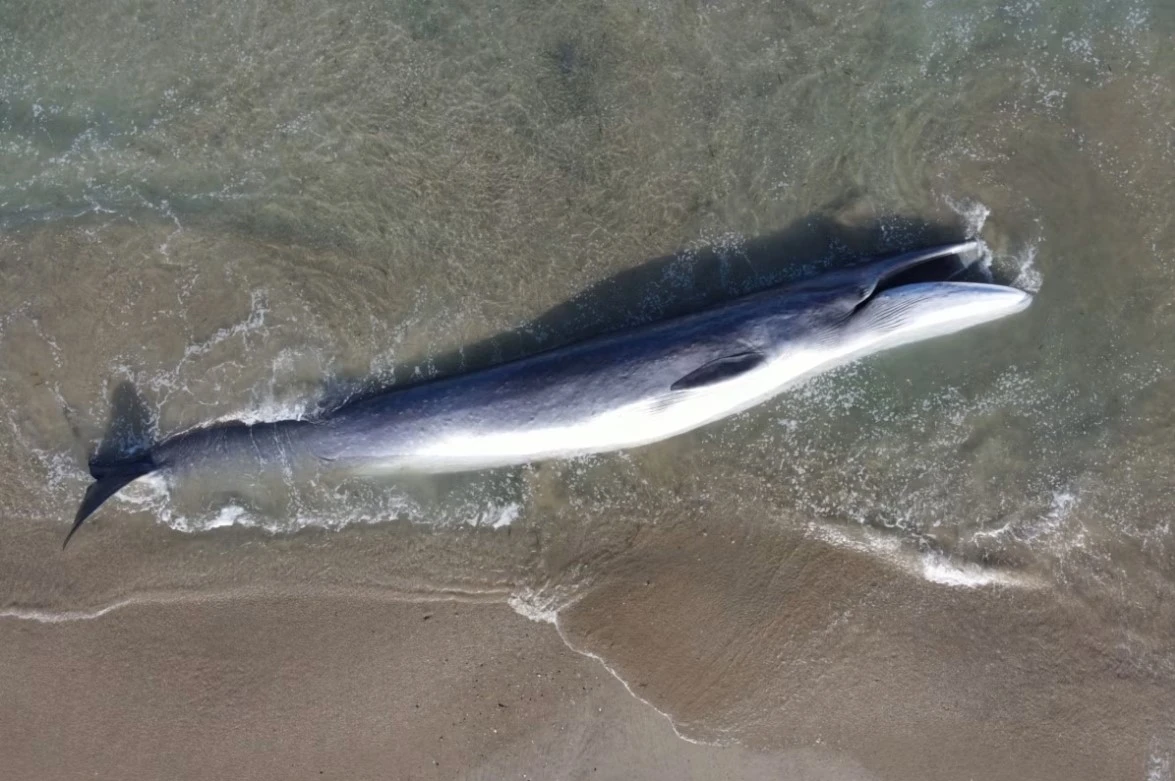
Dolphins and whales can become entangled in ropes and netting, while birds can swallow bottle tops and other small items that block their digestive tracts, with fatal consequences.
Potentially even more dangerous are the microscopic fragments that can pass into the circulatory systems of animals, says Thompson, who coined the term "microplastics" in a pioneering 2004 paper on the abundance of these tiny particles at sea and on shores. "In some of our research studies, we have shown that, if we expose animals to nanoplastics [much smaller particles below a thousandth of a millimetre in size], it circulates around the circulatory system within hours," says Thompson. "Even after moving to clean conditions, it can persist in the body for eight days, and in smaller amounts for much longer."
Nanoplastics have the potential to penetrate deeply into living things - they have been reported in various human organs, blood and breastmilk. A recent US study looked at 62 human placentas and found microplastics in every single one.
In a follow-up to his 2004 paper, published last month, Thompson and his co-authors noted that microplastics have been found in 1,300 marine and terrestrial species, causing physiological damage and creating the possibility of transmission through food chains.
Some countries, including the UK, US, New Zealand and Canada, have already introduced policies to stem the flow of plastics into the environment. Measures include plastic-bag taxes and bans on plastic microbeads in rinse-off cosmetics.
But hopes that diverting waste into recycling would provide a solution have faded. Recycling rates remain low: between 1990 and 2019, just 4 per cent of plastic produced globally was recycled, according to the OECD. Meanwhile, 39 per cent was sent to landfill, 18 per cent was mismanaged (for example, burnt in open pits), and 10 per cent was incinerated. Instead, there is a growing business in exporting waste for recycling.
Thompson notes that "some countries have open dumps employing hundreds of waste pickers, whose livelihoods could be affected if plastic production is curtailed." But he stresses that recycling alone will not address the wider waste issue and that measures to reduce production are essential. "The last 50 years have shown that recycling has failed to deliver on anything close to the scale needed, and it's clear we can no longer rely on recycling as the centre-stage solution," he says.
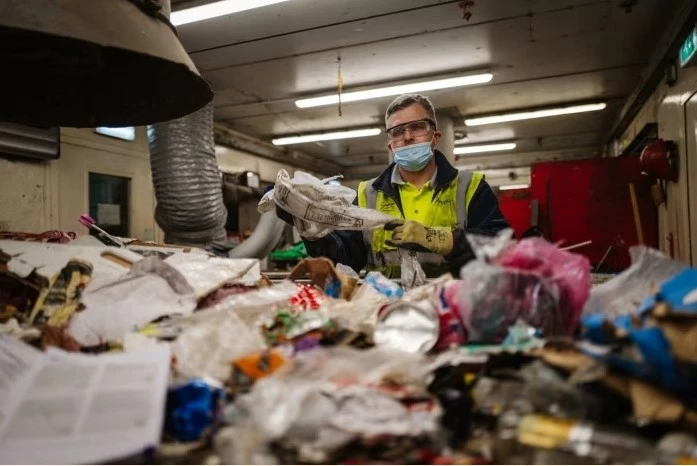
In the UK alone, households discard almost 1.7bn pieces of plastic a week, according to a survey by environmental campaigners Greenpeace and Everyday Plastic. Of this total, only 17 per cent is recycled and 58 per cent is incinerated.
Nina Schrank, head of plastics at Greenpeace UK, says wealthy nations should take responsibility "for their own waste in their own country". "We know that many wealthier nations are outsourcing their plastic problem, shipping their waste to poorer nations who lack the infrastructure to deal with it," she says. "All too often, that waste drifts into waterways and oceans." Unep concurs, stating in its 2021 report that "the export of waste, including electronic waste, to countries with poor waste management infrastructure plays a major role in the generation of mismanaged waste, and flows of litter and toxic chemicals into the oceans."
The Environmental Investigation Agency, a UK-based non-profit, says the British government should ban all exports of plastic waste. It warns that exporting waste "helps maintain the status quo of high per capita consumption of plastic in high-income countries" and reduces the capacity to collect and recycle domestically generated plastic in countries that receive the waste imports.